 SA Roofing
Roofing emergency: what to do before the roofer arrives
When a storm strips slates or water starts pouring through a ceiling, a few calm steps can protect your family and limit the damage until an emergency roofer gets there.
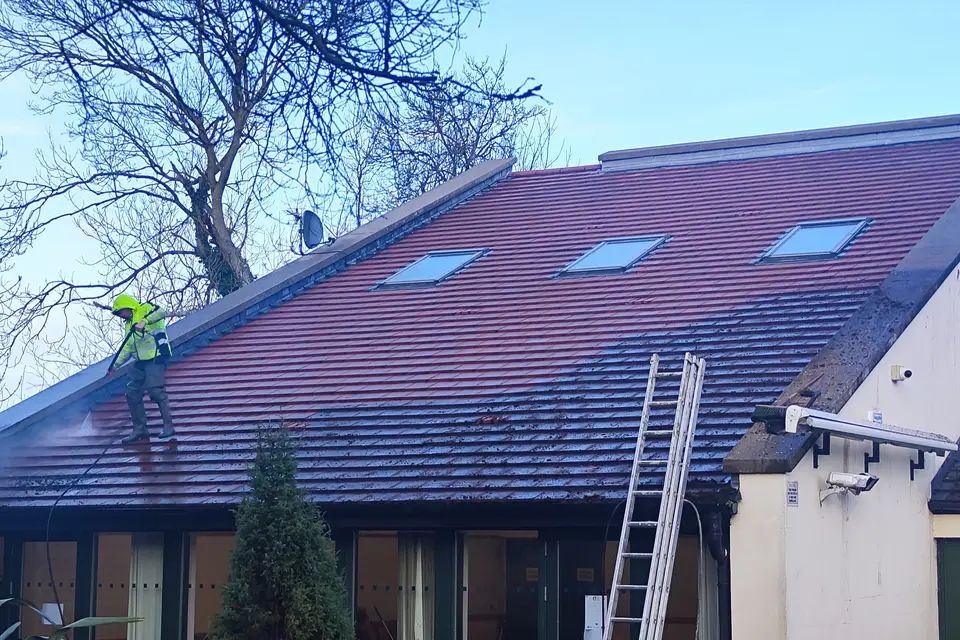
- First
- Keep everyone clear of falling debris, and switch off the power if water is near fittings
- Never
- Climb onto the roof yourself
- Inside
- Buckets and towels under drips, valuables moved, nobody under a bulging ceiling
- For your insurer
- Photos, dates and receipts
- Emergency
- 24/7 on 085 172 1435
Is it an emergency? A quick check
Storms are the most common cause of roofing emergencies in Ireland. A named Atlantic storm can lift slates and ridge tiles, peel back flat roof felt, bring down chimney pots and drop branches onto a roof in the space of a night. Other emergencies include a sudden heavy leak through a ceiling, a section of roof that has been holed or exposed, or loose material hanging over a footpath or driveway.
If water is coming in, the roof is open to the weather or something looks likely to fall, treat it as urgent. Smaller issues, such as a single slipped slate in calm weather with no water getting in, can usually wait for a planned visit.
Step one: make everyone safe
Safety comes before the roof. Keep people away from any part of the house or garden where slates, tiles, ridge tiles or chimney debris could fall, and warn neighbours if anything is loose above a shared path or boundary.
Inside, water and electricity are a dangerous combination. If water is coming through a ceiling near a light fitting, or is getting into sockets or the consumer unit, switch off the electricity at the main switch if it is safe to reach it, and get an electrician to check things before turning it back on. A ceiling that is bulging with water can come down suddenly, so keep people out of the room below it.
- Keep everyone clear of areas where debris could fall
- Switch off at the main switch on the fuse board if water is near fittings or sockets
- Stay out of rooms with a sagging or bulging ceiling
- Move children and pets away from the affected area
- If there is structural collapse or immediate danger to the public, call 112 or 999
Not sure what yours needs? WhatsApp us a photo and we will tell you what it looks like.
WhatsApp a photoOr get a free quoteStep two: do not go up on the roof
It is natural to want to get up and fix the problem, but please do not climb onto the roof during or after a storm. Wet slates, moss and lichen are extremely slippery, wind gusts can knock you off balance on a ladder, and damaged roof structures may not take your weight. A fall from a ladder or roof can cause life changing injuries, and an emergency roofer has the equipment and experience to work safely in poor conditions.
Step three: how to stop a roof leak temporarily from inside
Once everyone is safe, focus on limiting damage indoors. Put buckets, basins or bins under drips and lay towels around them to catch splashes. Move furniture, electronics, rugs and anything valuable out of the way, or cover it with plastic sheeting or bin bags.
If a ceiling is bulging with water, keep everyone out of the room, put a bucket underneath and leave the plaster alone. Ceilings can come down without warning, and the water may be near wiring.
If you can safely get into the attic, a bucket or tray under the main drip and moving wet insulation away from the ceiling can help. Watch your footing and stay on the joists.
Step four: record the damage for your insurer
If you may claim on your home insurance, photograph the damage outside from the ground and inside close up, note the date and the weather, and keep receipts for any emergency work. Our guide to whether a roof leak is covered by home insurance has the full checklist and explains how insurers treat storm damage.
Step five: call an emergency roofer
When you call, explain where the water is coming in, what you can see from the ground, and whether anything is loose or likely to fall. Photos sent by WhatsApp help a roofer understand the situation and bring the right materials.
The aim of an emergency visit is to make the roof safe and watertight as quickly as possible. That might mean refixing or replacing slipped slates, securing loose ridge tiles, removing dangerous debris, or fitting a temporary cover. Once the immediate risk is dealt with, the roofer can assess the full extent of the damage in better weather and quote for a permanent repair.
How long can you leave a leaking roof?
A leak should be treated as a short-term problem, measured in days rather than weeks. Water that gets past the slates or felt soaks into battens, insulation and plasterboard every time it rains, and wet insulation stops insulating and takes a long time to dry out. Timber that stays damp through a winter starts to rot, which turns a small repair into a larger one.
If the leak is small and the weather is settled, a planned visit within a few days is usually fine. If water is coming in steadily, a ceiling is bulging or the weather is about to turn, treat it as an emergency. If the leak only appears in downpours, our guide to a roof leaking in heavy rain helps you describe the pattern to a roofer.
Temporary covers and what to expect
Where a permanent repair cannot be done straight away, for example because of high winds, darkness or the need for scaffolding, a roofer may fit a heavy duty tarpaulin or temporary membrane over the damaged area. This needs to be properly secured and weighted, as a loose tarp can cause further damage in wind. Temporary covers are designed to protect the house for a short period, so it is important to follow up with the permanent work rather than leaving them in place for months.
If you would like to understand what caused the problem in the first place, our guide to what causes roof leaks explains the common weak points, and signs your roof needs repair can help you spot issues before the next storm.
Getting help from SA Roofing
SA Roofing offers emergency roof repairs as a 24/7 service across Dublin and the surrounding area, covering storm damage, leaks and fallen slates and tiles. Once the roof is secure, we can carry out the permanent roof repairs or flat roof repairs it needs. If water is coming in now, ring 085 172 1435 rather than filling in a form, and send photos on WhatsApp while you wait so we know what to bring. Once the roof is safe, we give you a free quote for the permanent repair.
Frequently asked questions
Should I try to put a tarp on my roof myself?
We strongly advise against it. Climbing onto a wet, damaged roof in wind is dangerous, and a poorly secured tarp can blow loose and cause more damage. Leave it to an emergency roofer with the right equipment.
What should I do if a ceiling is bulging with water?
Keep people out of the room, put a bucket underneath and leave the plaster alone, because a wet ceiling can come down without warning. If water is near light fittings, switch off at the main switch if you can reach it safely, and let a roofer stop the source from above.
Can a roof be repaired during a storm?
Sometimes only a temporary repair is possible during severe weather, as working on a roof in high winds is unsafe. The priority is to stop water getting in, with permanent repairs carried out when conditions allow.
What information should I give an emergency roofer?
Tell them where the water is coming in, what damage you can see from the ground, whether anything is loose or hanging, and the type of roof. Photos sent by WhatsApp are very useful.