 SA Roofing
Signs your roof needs repair
Most roof problems give some warning before they turn into a leak through the ceiling. Here are the signs worth checking for on an Irish home, inside and out.
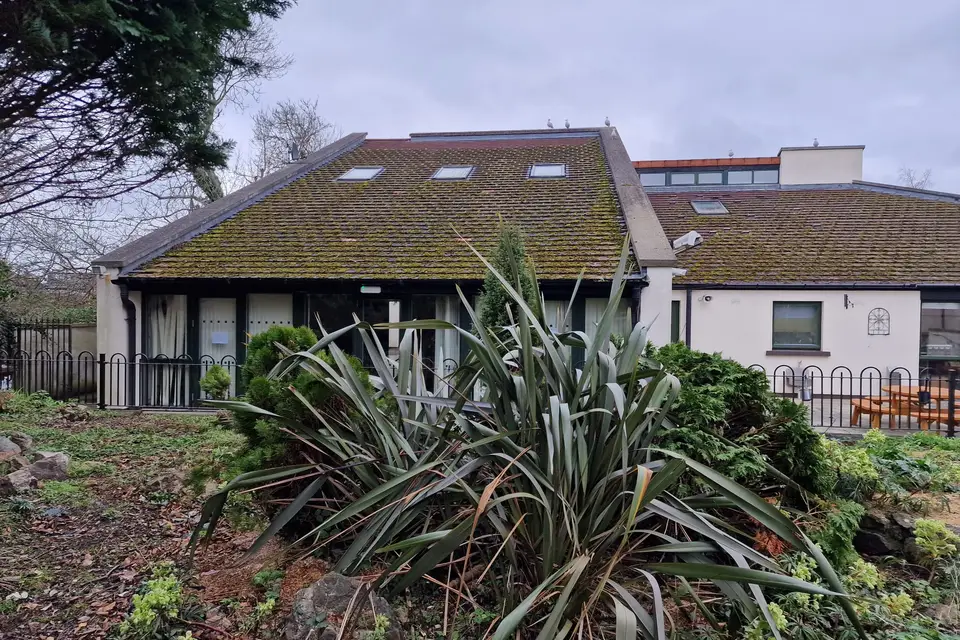
- From the ground
- Slipped or missing slates, gaps in ridge mortar, heavy moss, a sagging roofline
- Gutters and chimney
- Overflowing gutters, rotten fascia, cracked flashing
- Inside
- Ceiling stains, damp timber or wet insulation in the attic
- How often
- Twice a year, in autumn and spring
Why catching problems early matters in Ireland
Irish roofs have a hard life. Rain arrives sideways on a westerly wind, winters are long and damp, and a few Atlantic storms each year test every slate and ridge tile. A small defect that might go unnoticed for years in a drier climate can let in a surprising amount of water here, and once the battens and felt underneath stay wet they start to rot.
The good news is that most problems are visible long before they become serious, either from the garden or from inside the attic. A quick check twice a year, ideally in autumn before the worst weather and again in spring, will catch most of them.
Check from the ground: slates, ridge and moss
Stand back on the opposite footpath or at the end of the garden and look along the roof in good light. A pair of binoculars helps.
Slipped, cracked or missing slates and tiles
Look for gaps in the pattern, slates sitting lower than their neighbours, or pieces lying in the gutter or on the ground. On older slate roofs, several slipped slates at once often point to nail sickness, where the original iron nails have corroded. Broken concrete tiles are common after storms or where someone has walked on the roof to reach a satellite dish.
Ridge and hip problems
The ridge tiles along the top of the roof are traditionally bedded in mortar, which cracks and washes out over time. Gaps in the mortar, loose ridge tiles or a ridge line that looks wavy are all reasons to get it checked, as a loose ridge tile is one of the more dangerous things to come off a roof in high wind.
A sagging roofline
A dip in the middle of a roof slope or along the ridge can indicate rotten battens or rafters, or a structural issue. It is not something to ignore, and it is worth having a roofer look at it from the inside as well as the outside.
Heavy moss and debris
Some moss is normal on Irish roofs, particularly north facing slopes and anywhere shaded by trees. Thick clumps, though, hold water against the slates, lift tiles slightly at the edges and wash down into gutters, where they cause blockages.
Not sure what yours needs? WhatsApp us a photo and we will tell you what it looks like.
WhatsApp a photoOr get a free quoteCheck the gutters, fascia and chimney
Water spilling over the front of a gutter during rain usually means a blockage or a gutter that has lost its fall, and the first step is to have the gutters cleaned. Green streaks or damp patches on the wall below a gutter suggest a leaking joint. Peeling paint, soft spots or black staining on timber fascia boards are signs of rot, which can eventually let the gutter brackets pull away. Our guide to fascia and soffit problems covers what to look for there.
Chimneys deserve a careful look. Cracked or missing lead flashing where the stack meets the slates, crumbling pointing, or a leaning pot are common sources of leaks on older Dublin houses. If you see damp on the chimney breast inside, the flashing or the cap at the top is a likely cause.
Check inside: ceilings and the attic
Stains and damp on ceilings
Brown or yellow rings on a ceiling, especially on the top floor or below a valley or chimney, are the classic sign of a roof leak. Keep in mind that water can run along a rafter before dripping, so the stain may not be directly under the problem. Our guide to what causes roof leaks runs through the usual sources on Irish houses.
What to look for in the attic
With a torch, check the underside of the roof on a dry day and again during or after heavy rain if you can do so safely. Daylight showing through, damp or darkened timber, wet insulation and a musty smell all suggest water is getting in. Lots of droplets across the underside of the felt, on the other hand, can point to condensation from poor ventilation, which is a different problem with a different fix. The attic condensation guide sets out the differences.
Peeling paint and blown plaster
Bubbling paint or plaster near the top of external walls, particularly below the eaves, can mean water is getting behind the gutter or fascia and running down inside the wall.
Check your flat roof
Flat roofs over extensions, garages and dormers fail in their own ways. Water lying in pools for more than a day or two after rain, blisters or bubbles in the felt, cracks and splits, and a spongy feel underfoot are all warning signs. Mineral chippings or granules that have washed off into the gutters show the surface is wearing. A soft or bouncy area usually means the timber decking underneath has started to rot.
A simple twice yearly roof check
- Scan the roof from the ground for missing, slipped or cracked slates and tiles
- Look along the ridge for gaps in the mortar or loose ridge tiles
- Check chimney flashing and pointing for cracks or gaps
- Watch the gutters during heavy rain for overflowing or dripping joints
- Look for rot or staining on fascia boards and soffits
- Check top floor ceilings and the attic for stains, damp timber or wet insulation
- On flat roofs, look for ponding, blisters and splits after rain
What to do if you spot a problem
Please do not climb onto the roof yourself. Wet slates and moss are extremely slippery, and older slates crack easily underfoot, which can turn a small repair into a bigger one. Take photographs from the ground or from an upstairs window, note when any leak appears, and get a roofer to inspect it.
Most of the issues above are straightforward to fix through our roof repairs in Dublin when they are caught early. Problems with blocked or leaking gutters are handled through our guttering services, and if you have water coming through a ceiling right now, an emergency roofer is available through our 24/7 service.
SA Roofing works on pitched, slate, tiled and flat roofs across Dublin and the surrounding area. If you have spotted one of these signs, a photo taken from the ground or the attic helps us judge how urgent it is, and we confirm what the repair involves and what it costs after a free inspection.
Frequently asked questions
How often should I have my roof checked?
A visual check from the ground twice a year is a sensible habit, with a closer inspection by a roofer every few years or after any severe storm. Older roofs and those with a history of leaks benefit from more regular attention.
Is moss on my roof a problem?
A light covering is common and not usually serious. Thick moss holds moisture against the slates, can lift tiles at the edges and often ends up blocking gutters and downpipes, so it is worth having it dealt with before it builds up.
Is a missing tile a sign of a bigger problem?
One tile can simply be a broken nib or a strong gust, but tiles coming off in several places every winter usually point to soft battens, brittle tiles or perished felt. Our guide to a missing or slipped roof tile covers both cases.
Can one slipped slate cause a leak?
Yes. A single slipped slate exposes the felt and battens beneath it, and over a wet Irish winter that can be enough for water to get through and start rotting the timber.
Are damp patches on the ceiling always a roof leak?
They are often a roof leak, but they can also come from condensation in a poorly ventilated attic, a leaking water tank or plumbing, or a bathroom above. A roofer can check the roof side and help rule it in or out.