 SA Roofing
Fascia and soffits in Dublin
We replace rotten timber fascia and soffit boards with low-maintenance uPVC, and repair existing uPVC roofline, on homes and commercial buildings across Dublin. All materials supplied and fitted, with a free quote.
Or get a free quote by form, we will call you back.
- Over 7 years of roofing experience
- Fully insured for domestic and commercial work
- Free, no-obligation quotes
- 24/7 emergency roof repairs
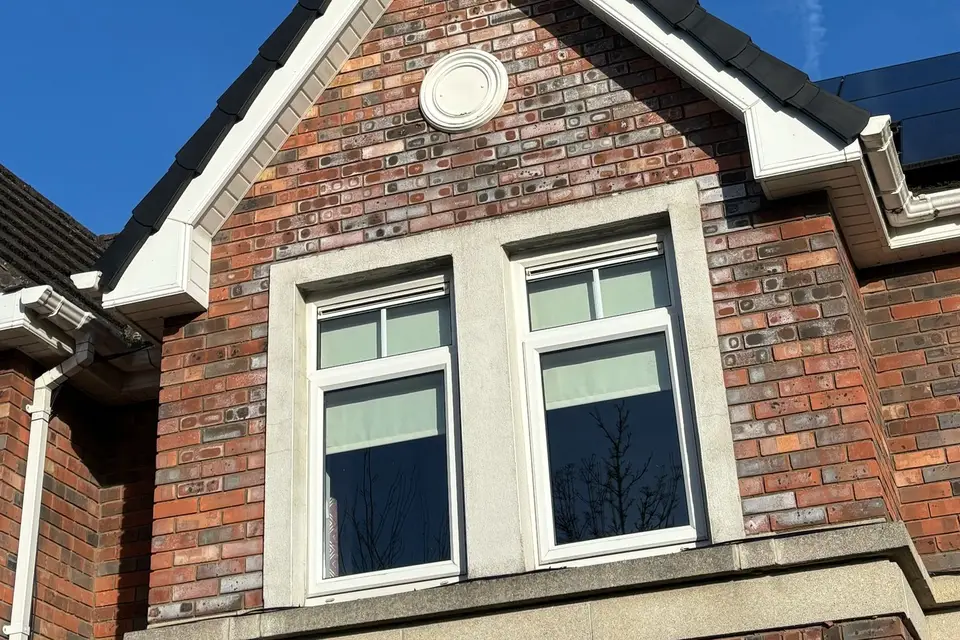
- Typical signs
- Flaking paint, soft or split timber, sagging gutters, gaps where birds get in
- What we do
- Replace rotten timber with uPVC, repair the eaves and refit the gutters
- How long
- Usually a day or two on a typical semi, gutters included
- Materials
- All supplied and fitted by us
- Price
- Free written quote after a visit
What fascia and soffits do
The fascia is the long board fixed along the ends of the rafters at the bottom edge of the roof. It carries the gutters and supports the bottom row of slates or tiles. The soffit is the board underneath, closing off the gap between the fascia and the wall. Together they keep rain, birds and pests out of the roof space, and on many houses the soffit also provides ventilation to the attic.
Because they sit right at the eaves, these boards catch every drip from a leaking gutter and every gust of wind-driven rain. On a lot of Dublin houses built before the 1990s they are still the original painted timber, and decades of Irish weather take their toll.
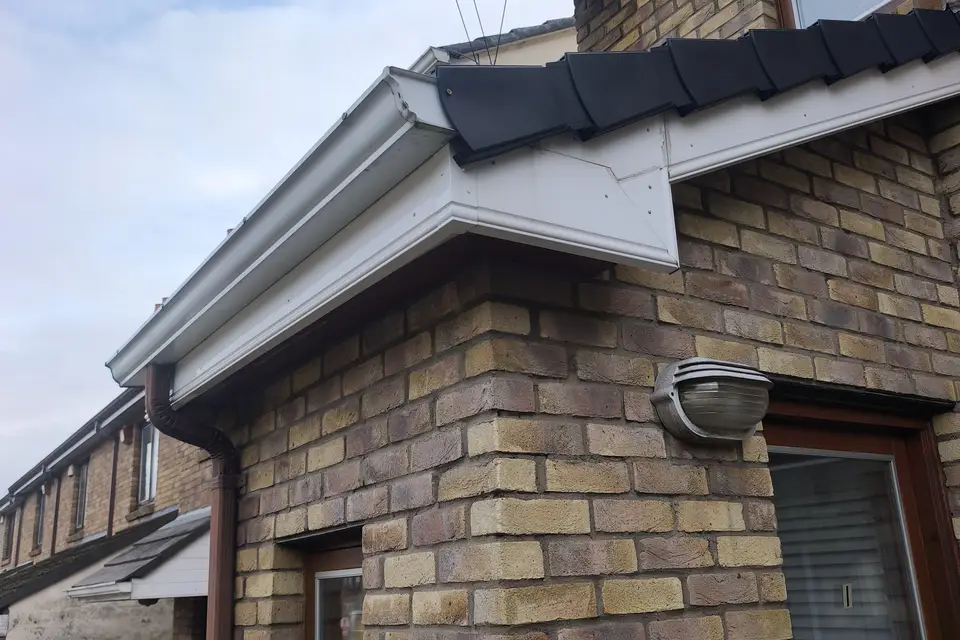
Signs your fascia and soffits need replacing
Most roofline problems can be spotted from the garden or the footpath if you know what to look for. These are the signs we would want to know about.
- Flaking or blistered paint on timber boards, often the first sign that moisture is getting in.
- Soft, crumbling or split timber, which you can sometimes see from the ground or feel from a ladder.
- Water overflowing from blocked gutters and running down the face of the fascia, soaking the timber behind it.
- Gutters pulling away or sagging because the fascia they are fixed to has rotted.
- Gaps or holes in the soffit where birds, wasps or rodents are getting into the roof space.
- Damp or mould in the attic near the eaves, which can point to poor ventilation or water getting in at the roofline.
- Discoloured, cracked or loose uPVC boards on newer rooflines, often after storm damage.
How we replace fascia and soffits
Fascia and soffit replacement is usually done together with new guttering, since the gutters have to come down anyway. This is the process we follow.
Assess the roofline
We check the existing boards, the rafter ends behind them, the gutters, and the condition of the bottom row of slates or tiles and the felt at the eaves.
Remove the old boards
Gutters, old fascia and soffits are taken down. This is the point where the condition of the rafter ends becomes clear. Any rotten timber behind the boards is repaired or replaced so the new roofline has something solid to fix to.
Repair the eaves
If the felt at the eaves has perished, which is common on older roofs, an eaves protection strip or new felt can be fitted to carry water cleanly into the gutter. This stops water running behind the new fascia.
Fit the new uPVC fascia and soffits
New uPVC fascia and soffit boards are fixed with stainless steel or suitable non-corroding fixings, with ventilation built in where the roof needs it. Joints and corners are finished with matching trims.
Refit the guttering
New or existing gutters and downpipes are fitted to the new fascia at the correct fall, and the site is cleaned up.
uPVC options and finishes
uPVC has largely replaced timber for fascia and soffits in Ireland because it does not rot, does not need painting and copes well with damp weather. Boards come in a range of colours and finishes, typically white, black, grey and woodgrain effects, so the roofline can match your windows and guttering. Soffits can be plain or vented, and there are also over-cladding options where a cap is fitted over existing timber. We generally recommend full replacement on older houses, because cladding over timber that is already wet or rotten traps the problem rather than fixing it. We will tell you which approach suits your roofline when we inspect it.
Supplied and fitted by us
We supply and fit everything on the roofline, from the fascia boards, soffits and vents to the trims, fixings and the gutters that go back on. One quote covers materials and labour, and one contractor is responsible for the whole job. uPVC boards can be bought supply-only for a builder or handyman to fit, and that can look cheaper on paper, but the rafter ends, eaves felt and ventilation behind the boards are what decide whether a new roofline lasts, and they need someone who knows roofs.
Birds, wasps and gaps in the eaves
Gaps behind old timber soffits, and holes where boards have rotted or come loose, are a common nesting spot for starlings and sparrows, and wasps often build in the same spaces. Nesting birds bring in debris that can block the eaves ventilation, and droppings and nest material sitting on the ceiling joists are best kept out of the roof space.
New uPVC soffits close those gaps off, and vented soffits let air into the attic through openings too small for birds. Under the Wildlife Act it is an offence to remove or damage a wild bird's nest that has eggs or young in it, or to disturb a bird on or near that nest, so if birds are nesting in the eaves the work waits until the young have left. Bats and their roosts are protected all year round, so if you think bats are using the roof space, tell us before we quote. If you can see birds going in and out of the eaves in spring, mention it when you ask for a quote and we will plan the timing around it. Our article on birds and bats in the roof explains what the law says and what to do in more detail.
Repair or replace?
If one section of a uPVC fascia has been damaged by a storm or a ladder, or a single soffit board has come loose, a repair is usually all that is needed. With timber fascias, a small area of rot can sometimes be cut out and replaced, but rot tends to be more widespread than it looks from the ground. When the paint is failing along the whole roofline and several sections are soft, full replacement with uPVC is normally the better value over time. Our guide to fascia and soffit problems explains capping, venting and the other options in more detail.
In short, it usually comes down to how widespread the damage is.
| Situation | Usually repair | Usually replace |
|---|---|---|
| uPVC fascia | One section damaged by a storm or a ladder | Damage along much of the roofline |
| Soffit board | A single board that has come loose | Gaps and holes along the eaves where birds are getting in |
| Timber fascia | A small area of rot, cut out and replaced | Paint failing along the whole roofline and several soft sections |
| Gutters on the fascia | Newer gutters in good condition can be refitted | Old, brittle or leaking gutters, replaced on the same visit |
What affects the cost of fascia and soffit replacement
The main factor is the length of the roofline, since fascia and soffits are fitted by the metre, along with the number of corners, gable ends and bay windows. Height and access come next, as a bungalow can be done from ladders while a three-storey house or a narrow side passage may need scaffolding.
The condition of the rafter ends behind the old boards often decides the final scope, because rot found once the fascia comes off has to be repaired before new boards go up. Choosing full replacement over capping, a coloured or woodgrain finish, vented soffits and new gutters at the same time all add to the price. Our guide to uPVC fascia and soffit prices in Dublin gives rough ranges, and our gutter replacement cost guide covers the gutters. We give a free written quote once we have inspected the roofline.
Why it pays not to wait
A rotten fascia eventually lets the gutter pull away, and once that happens water pours straight down the wall. Rot can also spread into the rafter ends and wall plate, which is a bigger and more expensive repair. Gaps in the soffit let birds nest in the roof space, which can block ventilation and bring in mites. Replacing the roofline before it reaches that stage keeps the job straightforward. As the gutters are usually replaced at the same time, see our guttering services page, and if the bottom slates or tiles have been affected, our roof repairs page.
Get a free quote
Tell us what you need and we will call you back to arrange a free visit.
We only use your details to reply. Privacy policy.
Frequently asked questions
How much does it cost to replace fascia and soffits?
The cost depends on the length of the roofline, the height of the building and access, whether the gutters are being replaced at the same time, the condition of the rafter ends behind the old boards, and the colour and finish you choose. We give a free quote after looking at the roofline. Our fascia and soffit cost guide gives rough Dublin ranges.
How long does fascia and soffit replacement take?
On a typical semi-detached house, replacing the fascia, soffits and gutters usually takes a day or two, depending on access, the weather and the condition of the timber behind the old boards. We will give you an expected timeline with your quote.
Should I replace the gutters at the same time?
Usually, yes. The gutters have to be taken down to replace the fascia, so fitting new ones at the same time avoids putting old, worn gutters back on a new roofline and saves a second visit.
Can you fit uPVC over my existing timber fascia?
Capping over existing timber is possible where the timber is sound, but on older houses the boards are often wetter or more rotten than they look. We check the timber first and recommend full replacement where cladding over it would trap the problem.
What happens if the rafter ends are rotten?
We only see the rafter ends once the old fascia is removed. If they are rotten, we show you what we have found, explain the repair needed, and agree the extra cost with you before carrying on.
Do uPVC fascia and soffits need maintenance?
Very little. An occasional wash to remove dirt and algae is usually all they need, along with keeping the gutters clear so water does not overflow onto them.
Do you do fascia and soffits for commercial properties?
Yes. We supply and fit uPVC fascia and soffits on commercial buildings and rental properties as well as private homes.
More answers on our roofing FAQs page.
Related
Our roofing services
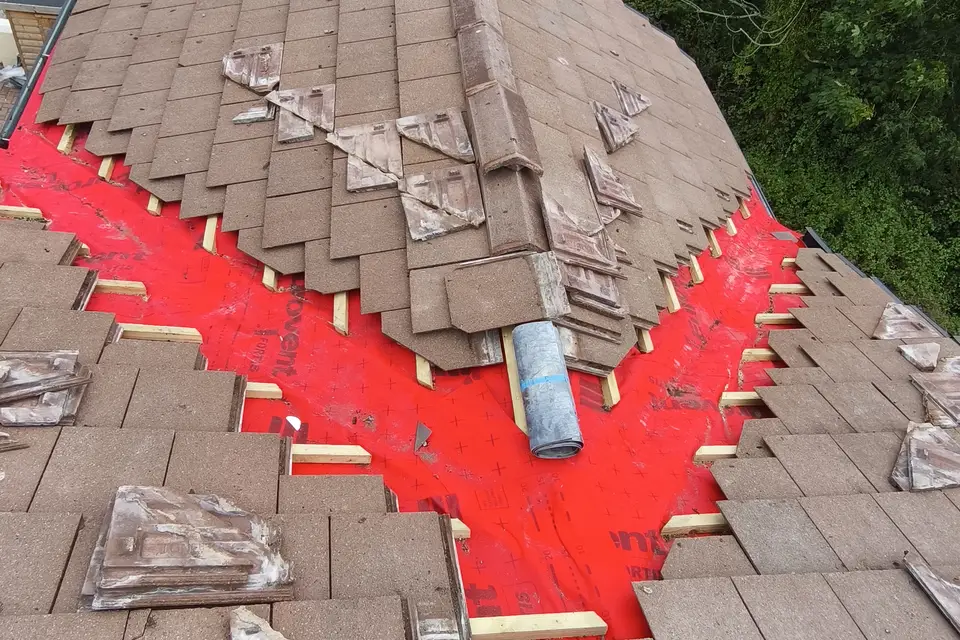
Roof repairs
Leaks, slipped or broken tiles and slates, flashing and valley repairs on every type of roof.
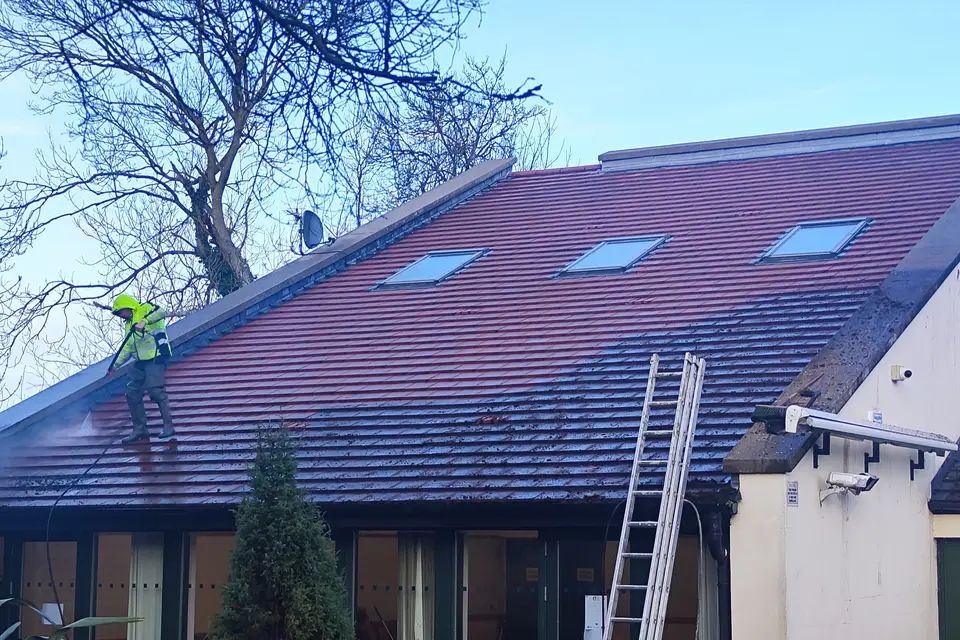
Emergency roof repairs
A 24/7 call-out for storm damage, active leaks and fallen tiles, made safe and watertight, day or night.
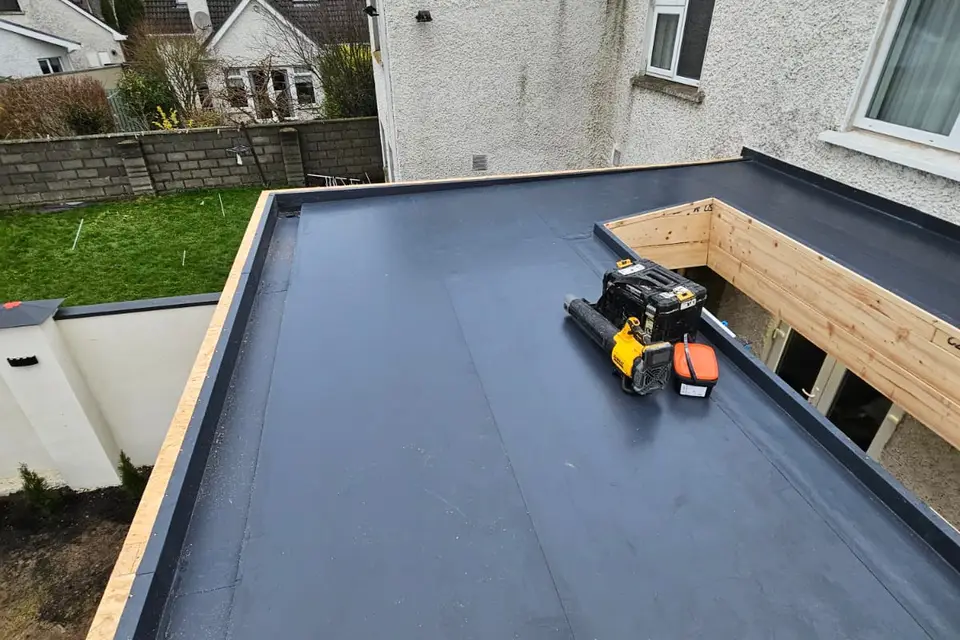
Flat roofs
Felt and torch-on flat roofs for extensions, garages and dormers, repaired or fully replaced.
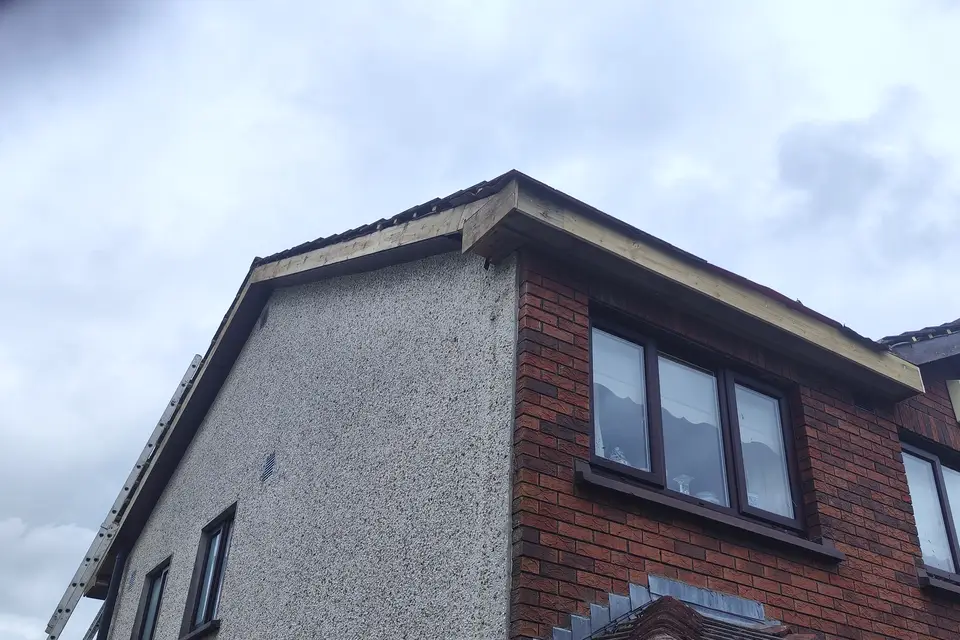
Gutter repairs
uPVC gutter repairs, new gutters and downpipes, and full replacements to keep water away from your walls.
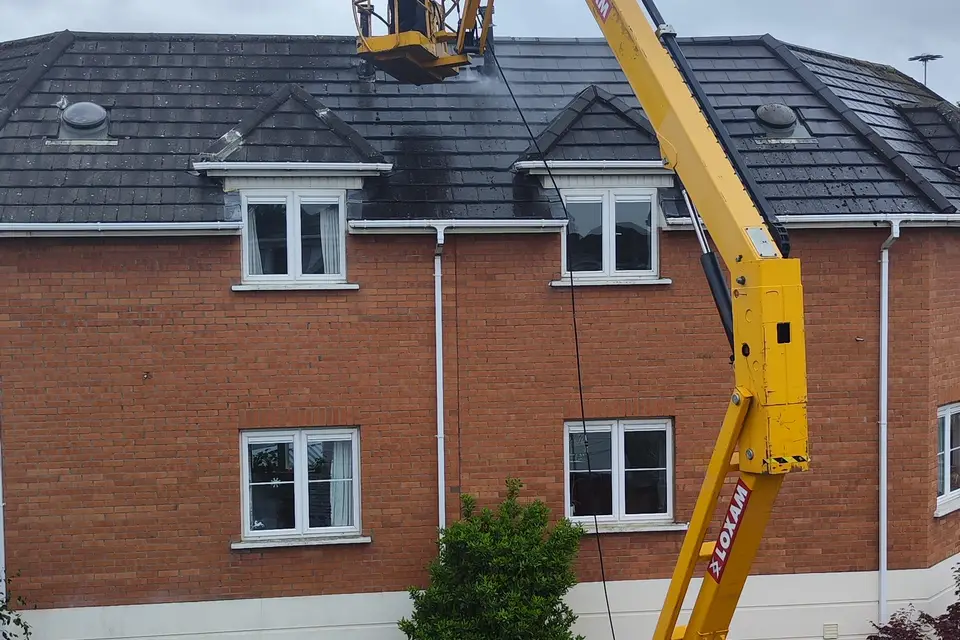
Gutter cleaning
Leaves, moss and debris cleared from gutters and downpipes, with the joints and brackets checked.
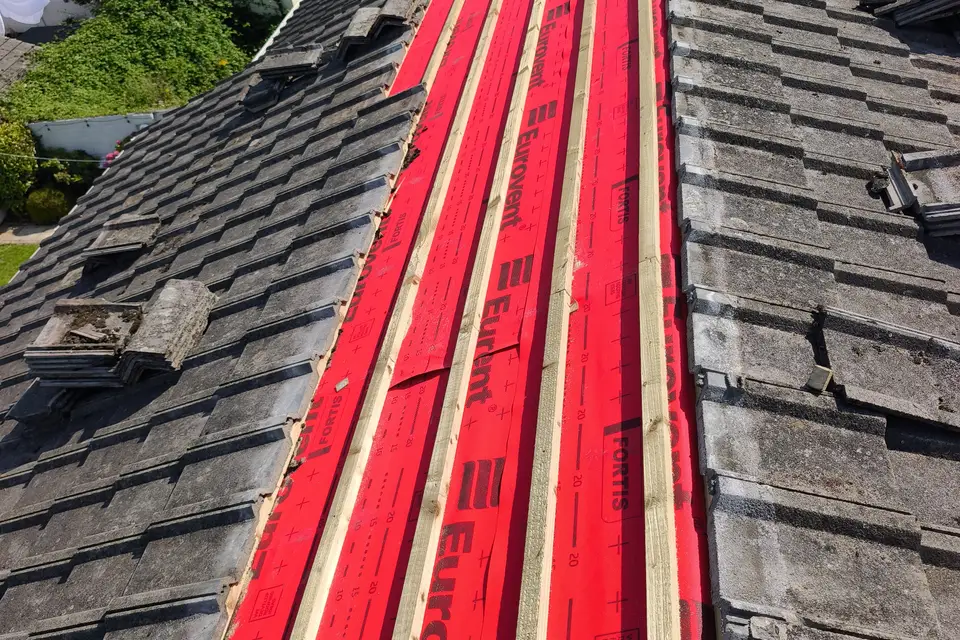
All roofing services
Every service we offer for homes and commercial properties, from inspections to full roof work.