 SA Roofing
Roofers in South Dublin
SA Roofing works across South Dublin, from Victorian slate roofs near the coast to concrete-tile semis and flat-roofed extensions in the suburbs. Fully insured, over 7 years of experience, and free quotes on all work.
Or get a free quote by form, we will call you back.
- Over 7 years of roofing experience
- Fully insured for domestic and commercial work
- Free, no-obligation quotes
- 24/7 emergency roof repairs
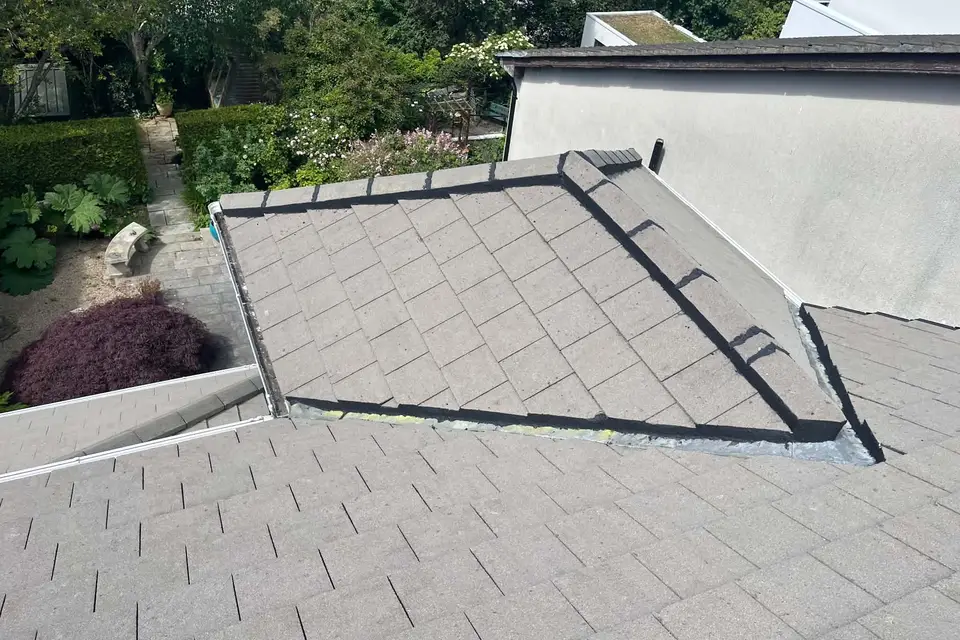
Roofing contractors for South Dublin homes and businesses
Over 7 years we have repaired the roof types found south of the Liffey, from natural slate on period terraces to concrete tile and felt flat roofs. We carry out roof repairs, emergency call-outs, flat roofs, guttering and uPVC fascia and soffits for homeowners, landlords and commercial clients, and we supply and fit all materials. Every job starts with a free, no-obligation quote, and our emergency roof repair service is available 24/7.
South Dublin's housing stock and what it means for your roof
South Dublin has one of the widest mixes of housing in the country, and each era of building has its own typical roof problems.
Victorian and Edwardian houses
Red-brick terraces and villas in places like Terenure, Rathgar, Rathmines and Dún Laoghaire mostly have natural slate roofs, often well over a century old. The slate itself can last a very long time, but the original nails rust through, so slates slip after storms. Lead valleys, chimney flashings and parapet gutters are also common leak points on these houses.
Mid-century and 1970s to 1980s estates
Suburbs such as Rathfarnham, Dundrum, Stillorgan, Tallaght and Clondalkin were largely built from the 1950s to the 1980s, mostly with concrete interlocking tiles. Many of these roofs are now at an age where ridge mortar has cracked, underfelt has become brittle, tiles have weathered, and the original timber fascia and soffits are rotting.
Newer estates and extensions
Areas like Lucan and parts of Tallaght and Clondalkin have large estates built from the 1990s onwards, along with many rear and side extensions across the whole region. Flat roofs on extensions, garages and dormers are one of the most frequent sources of leaks, particularly where the upstand meets the original house wall.
Weather exposure in South Dublin
South Dublin roofs face two quite different kinds of weather. Coastal areas from Sandymount down to Dún Laoghaire and Dalkey are exposed to easterly gales off the Irish Sea, along with salt-laden air that speeds up the corrosion of nails, clips and fixings. Further inland and towards the Dublin Mountains, homes in Tallaght, Rathfarnham, Ballinteer and Firhouse get more rain and stronger gusts at higher ground, and the prevailing south-westerlies drive rain sideways into ridges, verges and flashings. Large mature trees in many South Dublin suburbs also mean gutters fill quickly every autumn, and the damp climate keeps moss growing on north-facing slopes all year.
Period houses, protected structures and conservation areas
Much of Rathmines, Ranelagh, Rathgar, Monkstown and Dún Laoghaire is made up of Victorian and Edwardian houses, and many of these streets are protected structures, conservation areas in the council's development plan or, in places, Architectural Conservation Areas. That affects what can be done to the roof. Like-for-like repairs, such as replacing slipped or broken slates with matching natural slate, refixing lead flashings or re-bedding a ridge, are normally fine because they keep the roof looking as it did. Changing the roof covering on a protected structure, for example swapping natural slate for concrete tile or fibre cement slate, can need planning permission.
If your house is a protected structure or sits in a conservation area and you are planning anything beyond a straightforward repair, check with Dublin City Council or Dún Laoghaire-Rathdown County Council before work starts. Each council publishes its record of protected structures and its conservation area maps. On repairs we match the existing slate or tile as closely as we can, so the repaired area blends in with the rest of the roof.
Trees, moss and blocked gutters in the leafy suburbs
Foxrock, Stillorgan, Terenure and Rathfarnham have some of the most mature trees in the city, and the roofs under them have a harder time. Shade keeps a roof damp for longer after rain, so moss builds up quickly on north-facing slopes and on any slope overhung by branches. That moss holds water against the slates and tiles and eventually washes down into the gutters, where it mixes with leaves and silt and blocks the outlets.
Gutters on these roads often need clearing every autumn and sometimes again in spring, and an overflowing gutter running down the wall is a common problem across the leafy suburbs. When we clean gutters, we clear leaves, moss and debris and check the joints and outlets while we are up there. Branches that touch the roof also scrape at slates and tiles in high wind and are worth having cut back by a tree surgeon. Our checklist of signs your roof needs repair explains what heavy moss looks like from the ground.
Repair or replace on an older South Dublin roof
Many South Dublin roofs are now old enough that owners are weighing up a repair against a new roof. On a period slate roof the slates themselves are often still sound, and the problems come from the nails, battens, lead and mortar around them. Targeted repairs to the chimneys, valleys and slipped slates can keep a roof like that going for years, and good slate can be reused if the roof is eventually stripped and relaid.
Concrete tile roofs on the mid-century estates are a different case. Once the tiles have become porous and the underfelt has perished, the roof no longer has a second line of defence, and repairs start to come round every winter. Even then, many of these roofs can still be repaired rather than replaced, and we will say so when that is the case. If we think yours has reached the point where replacement is better value, we will show you why, with photos, and explain the options. Our article on how long a roof lasts in Ireland covers typical lifespans for each roof type.
Flat roofs on South Dublin extensions
Rear extensions, side extensions over garages and attic dormers have been added to a large share of South Dublin homes, and almost all of them have a flat roof somewhere. These are often the first part of the house to leak, usually at the upstand where the flat roof meets the original wall, around rooflights, or where water ponds on a deck that has sagged. We repair and replace felt and torch-on flat roofs, and on a dormer we check the cheeks and flashings as well as the roof itself. Our flat roof repairs page and our guide to water pooling on a flat roof explain the common faults.
Common roofing jobs on South Dublin houses
Given the age and type of housing in the area, these are the jobs South Dublin houses most often need.
- Roof repairs for slipped slates on older houses, broken concrete tiles, loose ridges and leaking chimney flashing.
- Flat roof repairs and replacements on extensions, garages and dormers using felt and torch-on systems.
- Gutter repairs and replacement and gutter cleaning, especially in leafy suburbs with mature trees. Our gutter replacement cost guide covers what drives the price.
- uPVC fascia and soffits to replace rotting timber on 1960s to 1980s homes.
- Storm damage repairs and urgent leaks, available 24/7.
Areas we cover in South Dublin
We work throughout South Dublin. These pages have more detail on the roofs and common problems in each area: roofers in Tallaght, roofers in Rathfarnham, roofers in Dundrum, roofers in Terenure, roofers in Rathmines, roofers in Dublin 12 for Crumlin, Drimnagh and Walkinstown, roofers in Stillorgan, roofers in Dún Laoghaire, roofers in Lucan and roofers in Clondalkin. We also cover the surrounding areas within roughly 50 km, which are listed on our areas we serve page.
Recent work near you
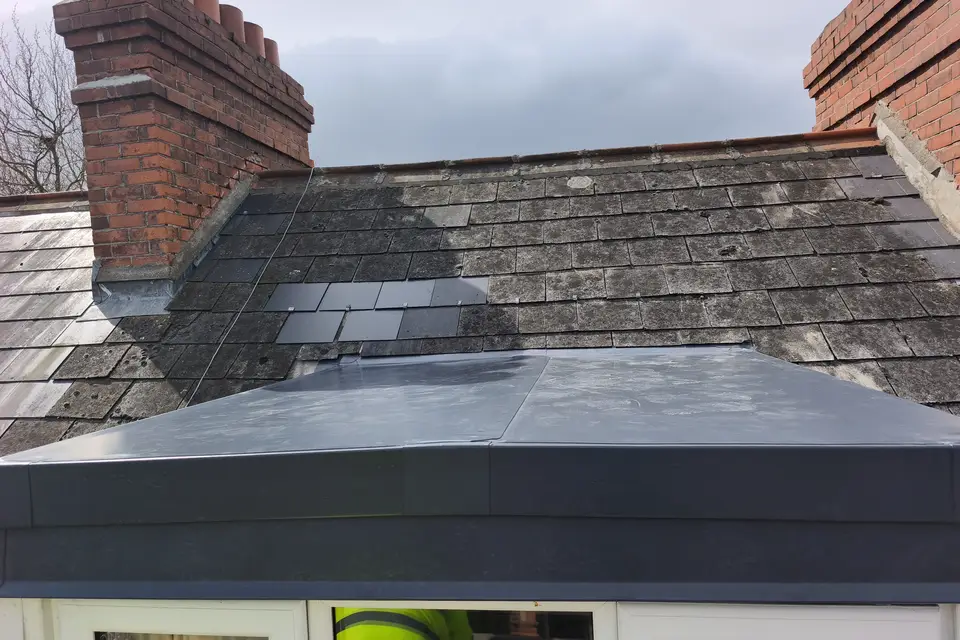
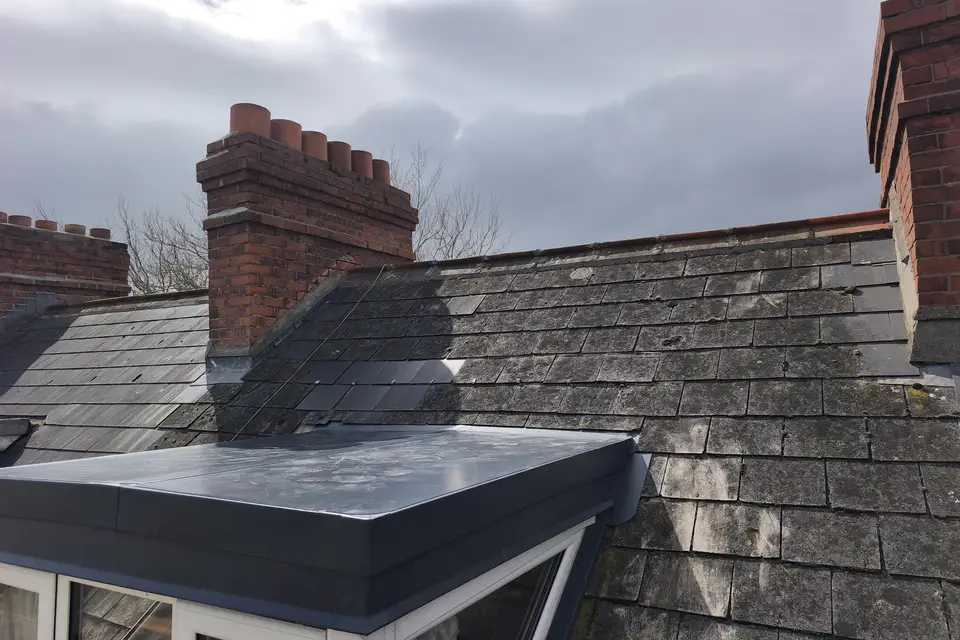
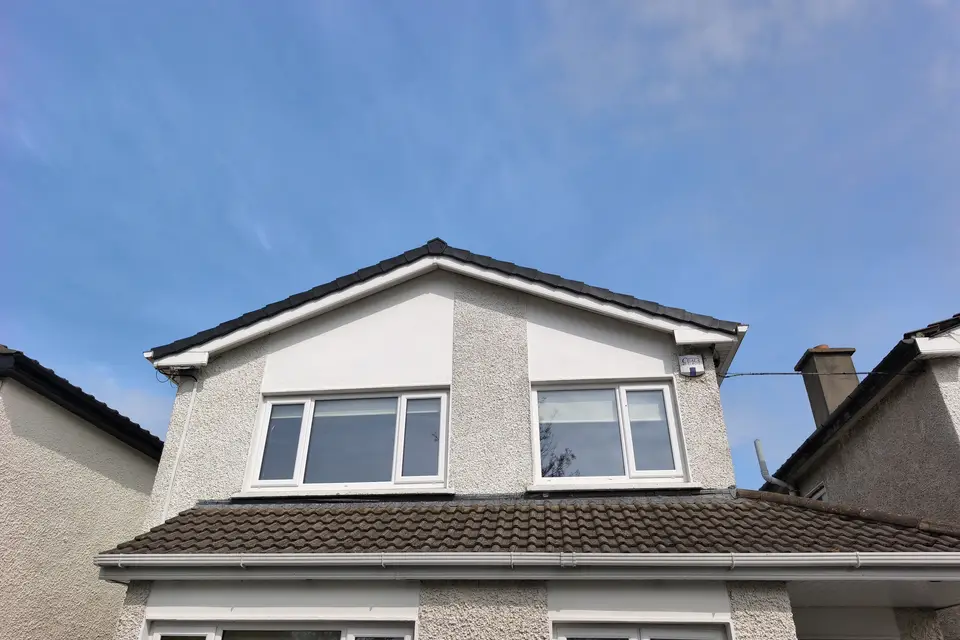
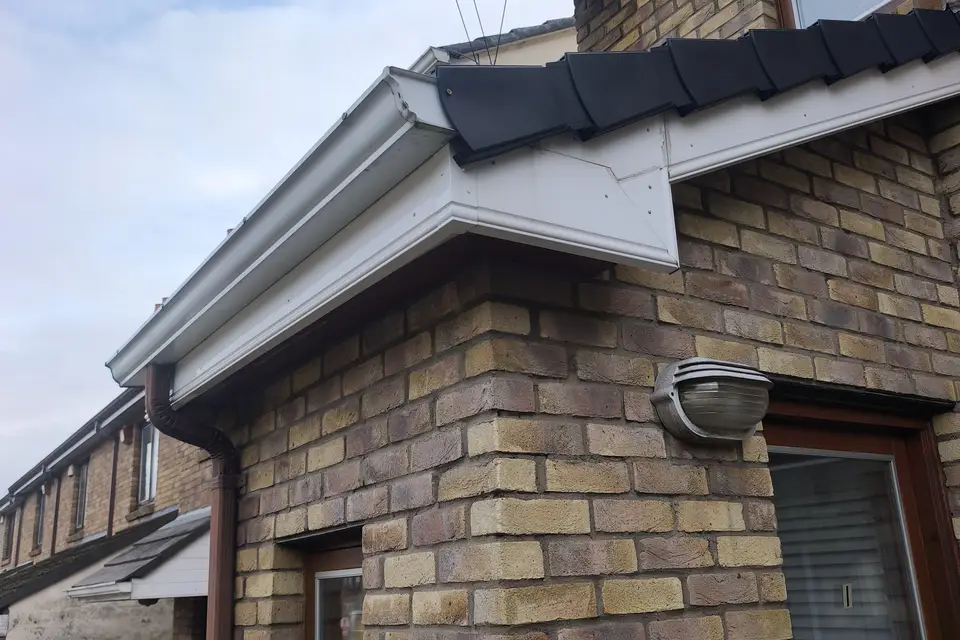
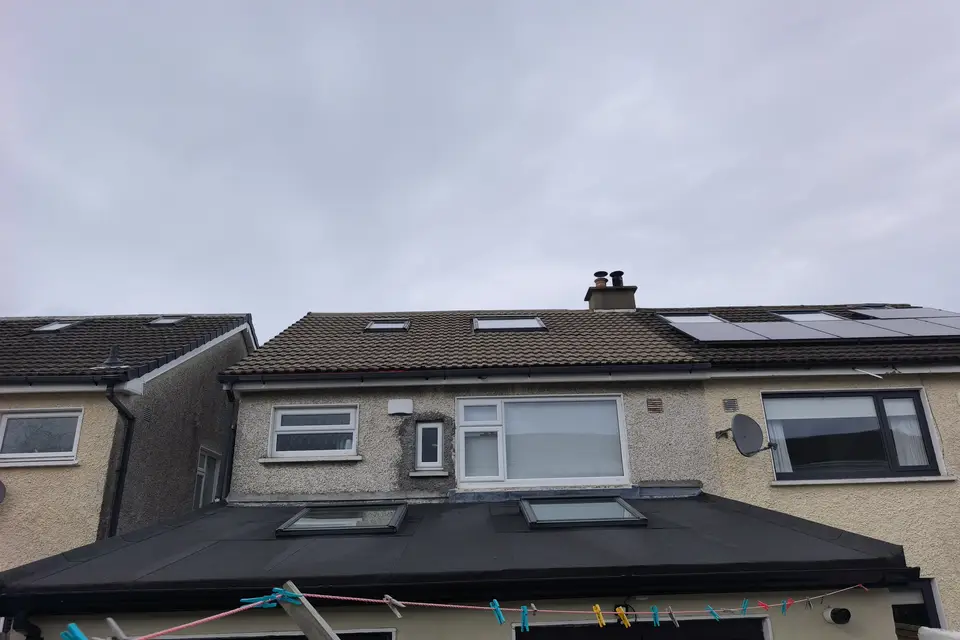
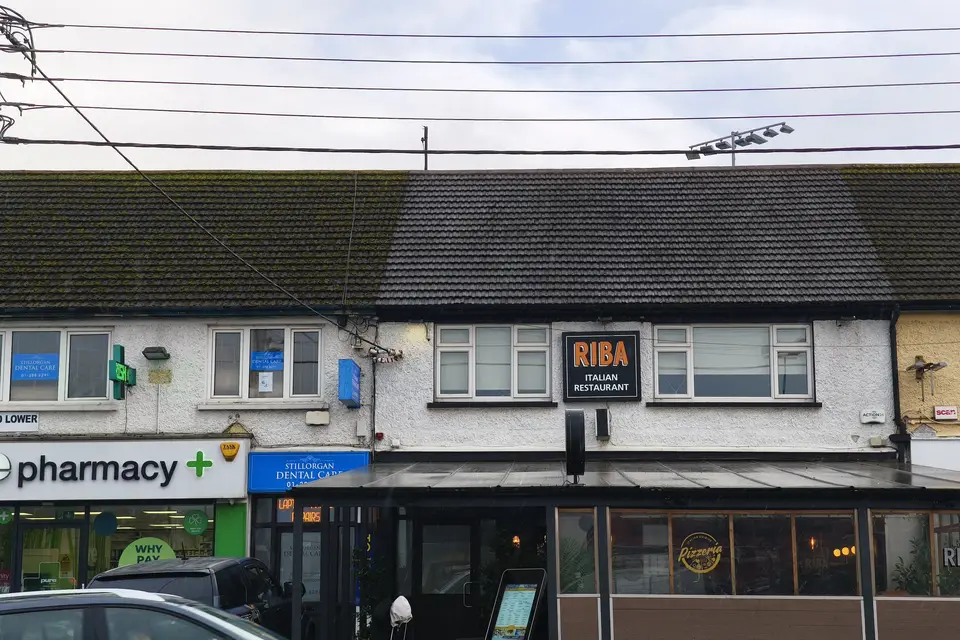
Photos from our own jobs in Ballinteer, Ballybrack, Donnybrook, Rathmines and Stillorgan. See more on our roofing work page.
Get a free quote
Tell us what you need and we will call you back to arrange a free visit.
We only use your details to reply. Privacy policy.
Frequently asked questions
Which parts of South Dublin do you cover?
We cover all of South Dublin, including Tallaght, Rathfarnham, Dundrum, Terenure, Crumlin and the rest of Dublin 12, Stillorgan, Dún Laoghaire, Lucan and Clondalkin, as well as the surrounding area within roughly 50 km.
Do you cover Sandyford and Dublin 18?
Yes. We cover Sandyford, Foxrock, Cabinteely, Leopardstown and the rest of Dublin 18, along with every other South Dublin postcode.
Do you offer emergency roof repairs in South Dublin?
Yes. Our emergency roof repair service is available 24/7 across South Dublin for storm damage, leaks and fallen tiles. Call 085 172 1435.
Do you work on old slate roofs?
Yes. We repair natural slate roofs on Victorian and Edwardian houses, including replacing slipped and broken slates with matching slate, and repairing lead valleys and flashings.
Is there a charge to come out and quote?
No. Quotes are free and there is no obligation to go ahead.
Do you work for landlords and businesses in South Dublin?
Yes. We work for homeowners, landlords, property managers and commercial clients throughout South Dublin.
More answers on our roofing FAQs page.
Related
Our roofing services
Roof repairs
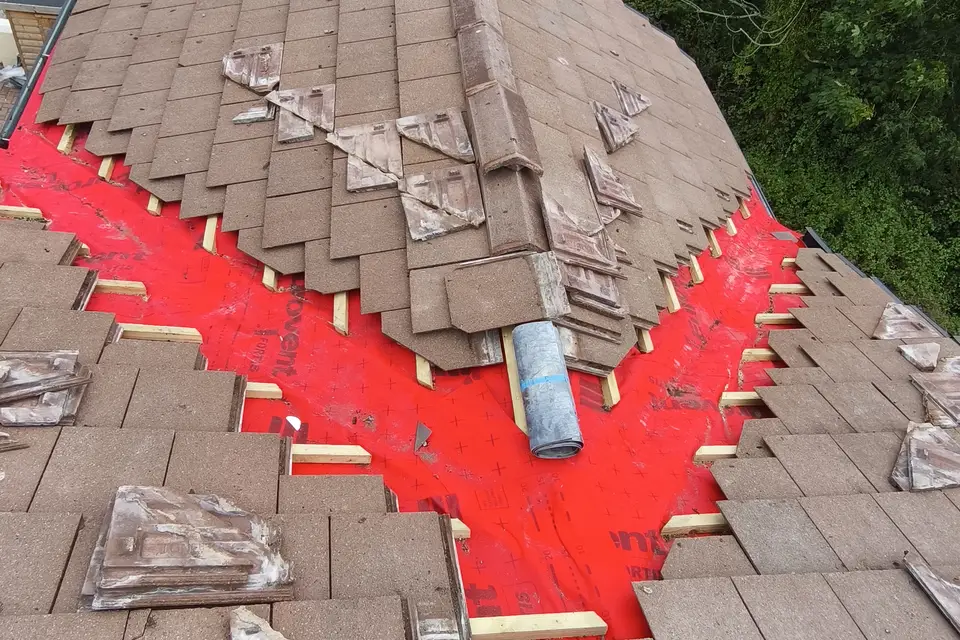
Leaks, slipped or broken tiles and slates, flashing and valley repairs on every type of roof.
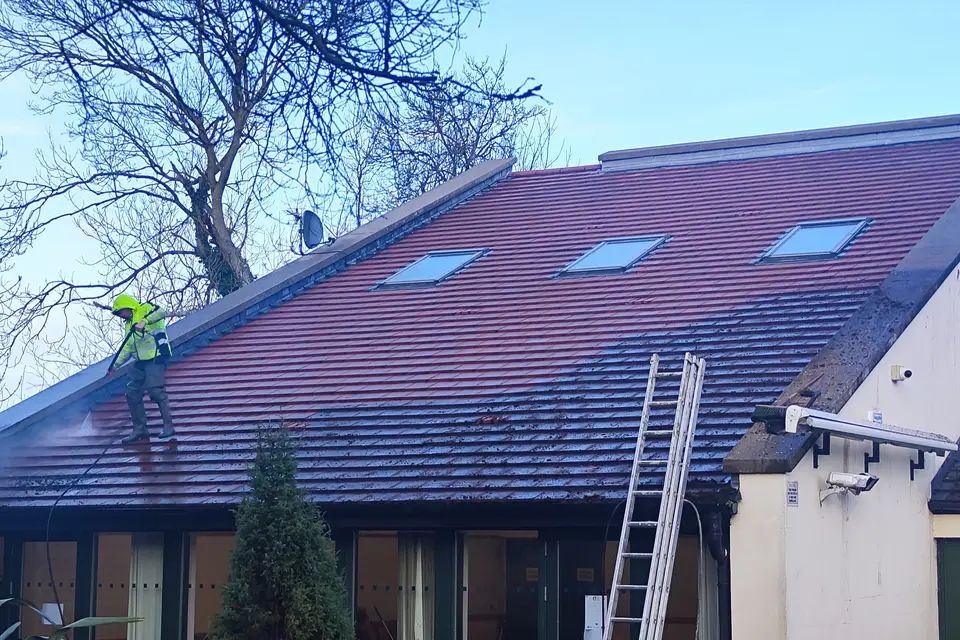
Emergency roof repairs
A 24/7 call-out for storm damage, active leaks and fallen tiles, made safe and watertight, day or night.
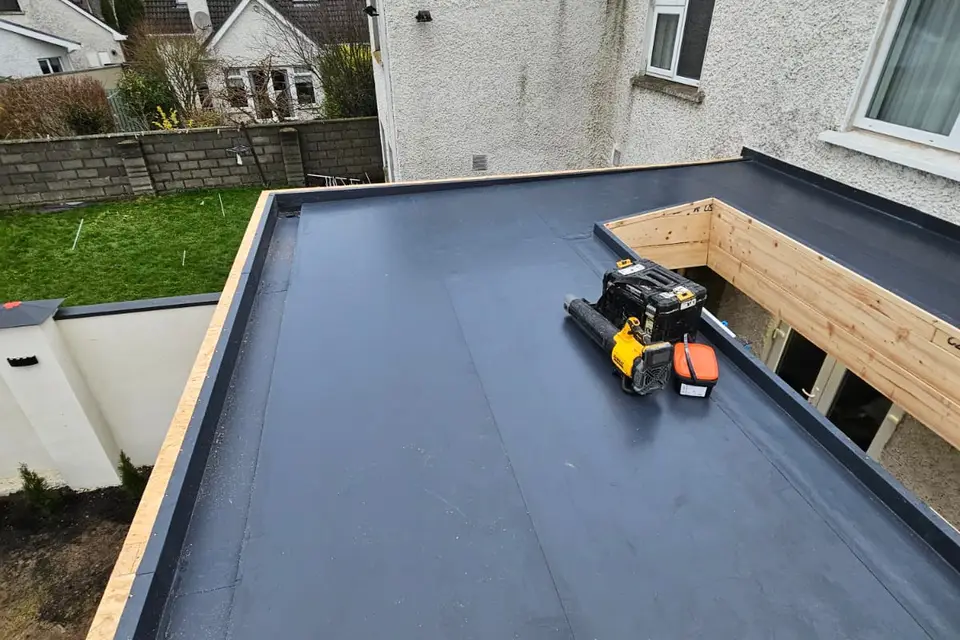
Flat roofs
Felt and torch-on flat roofs for extensions, garages and dormers, repaired or fully replaced.
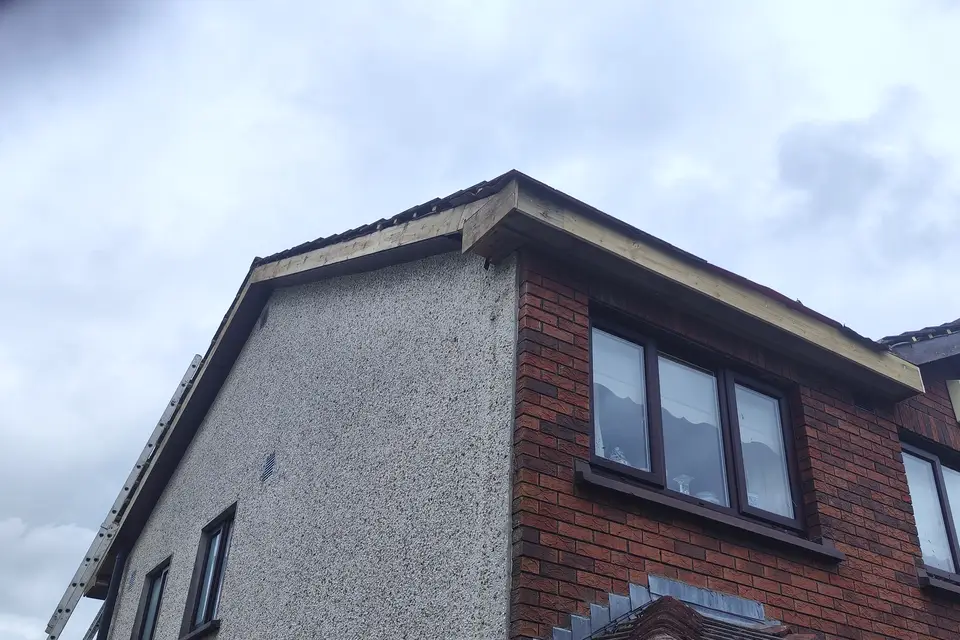
Gutter repairs
uPVC gutter repairs, new gutters and downpipes, and full replacements to keep water away from your walls.
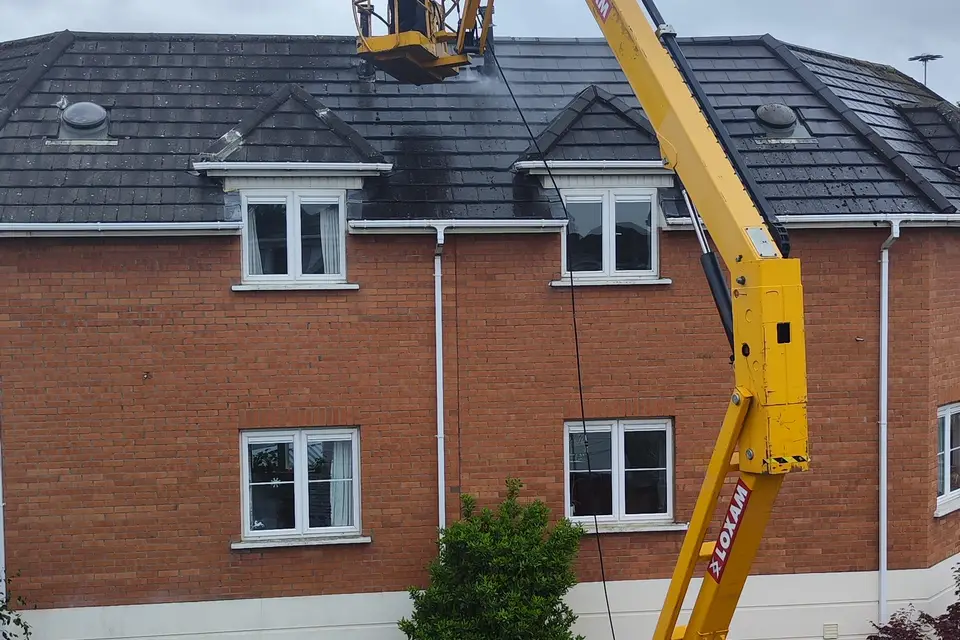
Gutter cleaning
Leaves, moss and debris cleared from gutters and downpipes, with the joints and brackets checked.
Fascia and soffits
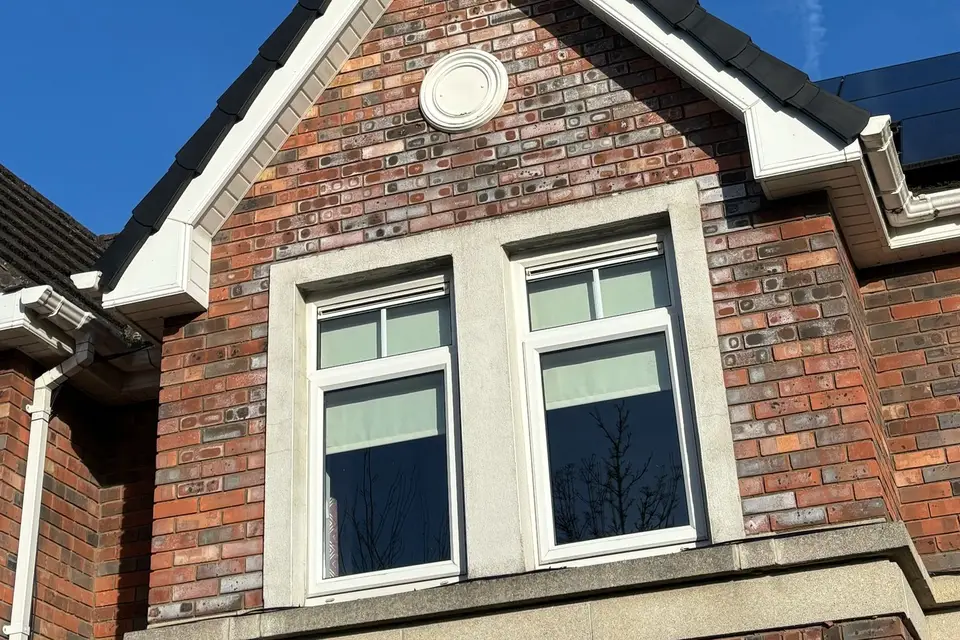
uPVC fascia and soffit supply and fit, replacing rotten timber and improving roof ventilation.
All roofing services
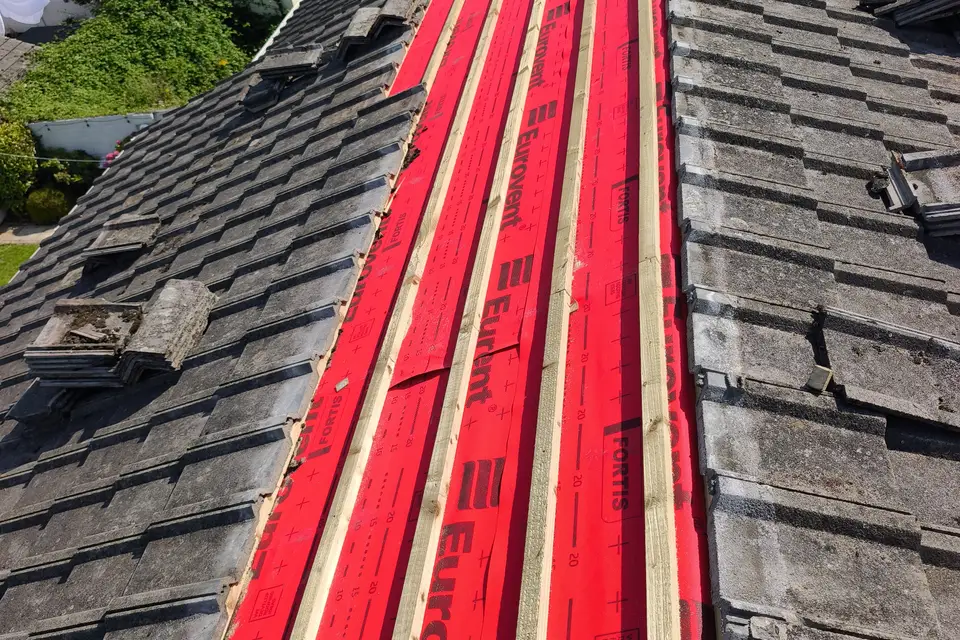
Every service we offer for homes and commercial properties, from inspections to full roof work.